What Is the Arbaeen Walk, and Why Has It Become the Largest Religious Gathering on Earth?
What is the Arbaeen Walk? To give a brief answer to this question we would say that is the Arbaeen Walk one of the most remarkable religious and cultural gatherings in the world. It stands today as the largest peaceful religious march on the planet. Rooted in Islamic tradition, the Arbaeen Walk has grown into a global phenomenon, attracting millions of people annually from different countries, cultures, and faiths to the holy city of Karbala in Iraq. The Arbaeen Walk is one of the most powerful symbols of unity among Shia Muslims. It also plays a key role in strengthening solidarity, empathy, and spiritual connection among the followers of the Ahl al-Bayt, household of the prophet Muhammad (peace be upon them).
Held annually on the 20th of Safar (the 40th day after Ashura), the Arbaeen Walk commemorates the martyrdom of Imam Hussain (peace be upon him), the third Shia Imam. People from various religious and sectarian backgrounds, including Shia and Sunni Muslims, Christians, Yazidis, and even followers of other monotheistic faiths, participate in this pilgrimage. The massive presence of people from different nationalities, languages, and cultures in this gathering reflects a powerful image of human solidarity centered around a shared spiritual value.
To better understand what the Arbaeen Walk is, we need to know the origin and meaning of the word ‘Arbaeen’. The word Arbaeen means “forty” in Arabic. In Islamic tradition, the number forty has great significance. For instance, the Prophet Muhammad (peace be upon him) received his first revelation at the age of forty; certain spiritual purification practices last forty days; many religious practices and recitations should be repeated forty times. All of these reflect the importance of the number forty in Islamic tradition. The number often symbolizes spiritual maturity and readiness for greater responsibility, both individually and socially.
According to Shia, the term Arbaeen refers to the fortieth day after the tragedy of Ashura—the day on which Imam Hussain and his loyal companions were martyred in the desert of Karbala. The profound meaning and significance of the Arbaeen Walk is rooted in this historical event, which took place in the year 61 AH (680 CE) in Iraq. In that tragic event Imam Hussain, the grandson of the prophet Muhammad (peace be upon him), stood against tyranny and corruption alongside his family and companions. Ultimately, making great sacrifice, they were martyred in defense of truth and justice.
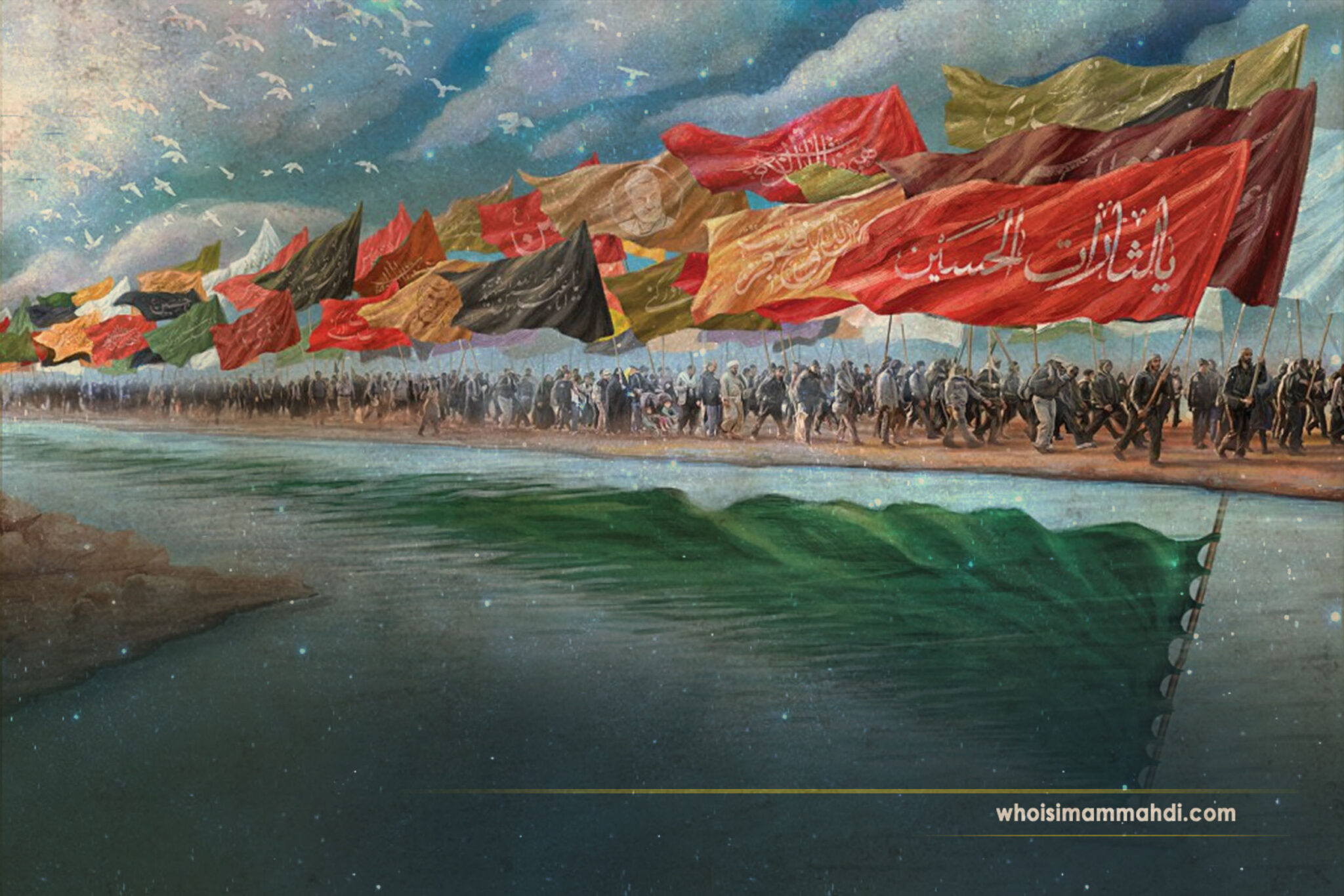
The Arbaeen Walk is, in essence, a symbolic journey that keeps the memory and message of Ashura alive. That is, a message of resistance against oppression, a call for justice, a lesson in loyalty and sacrifice, and an invitation to live a life of deep spirituality and humanity. Every year, this incredible walk draws millions of devoted people to Karbala, traveling long distances on foot to express their love and devotion to Imam Hussain and the ideals he stood for.
How the Arbaeen Walk Is Carried Out in Iraq
In this part of the article, we explore the question “What is the Arbaeen Walk?” from the perspective of how the event is held in Iraq.
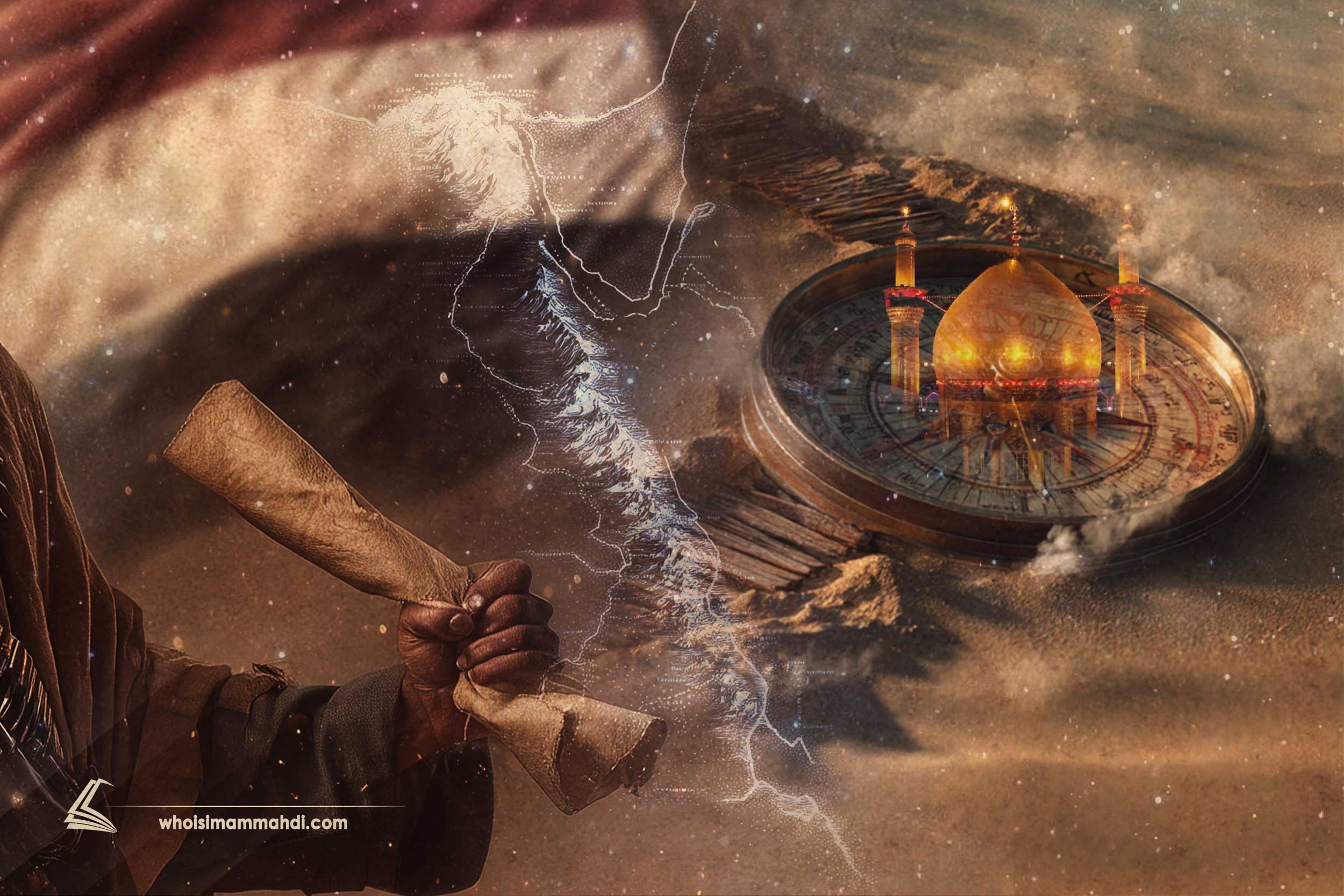
The Arbaeen Walk takes place in Iraq, primarily along the route between the cities of Najaf and Karbala. This 80-kilometer path, famously known as ‘Tareeq’ (The Way), is the most well-known and popular walking route among pilgrims. It is also regarded as a symbol of expression of loyalty to Imam Hussain and his companions. Pilgrims begin their journey in Najaf, home to the shrine of Imam Ali (peace be upon him), and after several days of walking, they arrive in the city of Karbala to visit the sacred shrines of Imam Hussain and his brother Abbas (peace be upon them both).
While the Najaf-to-Karbala route is the most recognized path of the Arbaeen Walk, many pilgrims begin their journey from other cities in Iraq, such as Baghdad and Basra, joining the millions heading to Karbala. Some pilgrims even start their Arbaeen Walk from outside Iraq, particularly from the Iranian border, such as the Mehran border crossing, and continue their hike on foot toward Karbala after entering the country.
Providing Services and Hospitality During the Arbaeen Walk
Pilgrims who take part in the Arbaeen Walk fulfill some of their needs through personal preparation before the journey, but most of their requirements are met by the extensive volunteer services offered by local Iraqis, charitable groups, and various civil and religious organizations during the days of Arbaeen. Food and drink are generously provided by locals, mawakib (volunteer service stations), and donors. The people of Iraq welcome pilgrims with open arms, embodying a culture of hospitality deeply rooted in their love for Imam Hussain (peace be upon him). This spirit of service and cultural-religious solidarity has turned the tradition of hosting pilgrims during the Arbaeen Walk into a time-honored practice—one that reflects a deep and sincere devotion to the values of Imam Hussain and the message of Ashura. Iraqis, especially those living along the roads leading to Karbala, go above and beyond to welcome the pilgrims of Imam Hussain. They offer everything they can, creating an environment filled with kindness, generosity, and heartfelt warmth. Many participants from outside the Muslim world, who come to Iraq seeking to understand “What is the Arbaeen Walk?”, are left deeply moved and often astonished by the atmosphere of compassion and selfless hospitality they encounter. Preparation for the Arbaeen Walk typically begins months in advance. From logistics to public services, everything is carefully organized through a unique collaboration between the people, grassroots groups, and non-governmental organizations. The strong motivation for serving and cooperation among locals and all participants enables pilgrims to travel to Iraq with least difficulties and benefit from a unique spiritual experience. In what follows, we will outline the various services provided during the Arbaeen Walk in Iraq.
Mawakib and the Wide Range of Services Provided
Mawakib are temporary tents or even buildings set up along the route of the Arbaeen Walk and in various cities through which pilgrims pass. These service stations are organized by local residents, religious groups, and different organizations which offer diverse free services. These services include a variety of meals and drinks, medical and health support, places to rest or sleep, personal care supplies, religious and cultural services, as well as safety coordination and community cooperation.
In recent years, due to the Arbaeen Walk coincided with the hot summer months, many pilgrims choose to walk at night and rest during the day. Nevertheless, because of the large number of participants, accommodations tend to be crowded even at night. On average, the 80-kilometer journey takes about three nights to complete. Below is a brief overview of the free services offered during the Arbaeen Walk.
Food and Refreshments Along the Arbaeen Walk
There are mawakib along the Arbaeen Walk route and within the cities offering free food and drinks to pilgrims. These mawakib serve a wide variety of meals, including bread, rice, different types of stews, traditional Iranian and Iraqi food, and various kind of soup. Beverages such as Iraqi and Iranian tea, coffee, cold water, and different juices are also provided. Pilgrims can meet all their needs in mawakib without any cost.
Resting and Sleeping Areas During the Arbaeen Walk
Throughout the Arbaeen Walk, large tents and halls are set up near mawakib to provide resting and sleeping areas for pilgrims. In addition to these public facilities, many local residents generously open their homes to host pilgrims. In recent years, due to the growing number of participants and the extended duration of their stay in Iraq, the number of accommodation halls and mawakib that provide welfare services, especially in Karbala, has increased significantly.
Medical and Health Services Along the Arbaeen Walk
With millions of people participating in the Arbaeen Walk, the presence of medical teams throughout the route and in the holy cities is essential. Medical support is provided by various organizations, including Red Crescent branches, which set up medical units to respond to pilgrims’ needs. These units offer a range of services including basic first aid, wound dressing, orthopedic support, and some other healthcare services.
Welfare and Service Facilities
Along the Arbaeen Walk route, facilities for bathing and washing are available. Additionally, some mawakib offer various support activities, such as clothing and footwear services, backpack repairs, as well as providing guidance and information needed by the pilgrims, SIM card services, internet access, and more. These mawakib are among the busiest and most popular ones.
Security Provision
One of the most important needs of the pilgrims during the Arbaeen Walk is the provision of services by security authorities to ensure the safety and well-being of travelers. Police and security forces are stationed along the Arbaeen Walk route and near the shrines of the Imams (peace be upon them) in the holy cities, ready to serve the pilgrims.
What Is the Role of Arbaeen Walk in Shaping the End-Times Civilization?
To fully answer the question “What is the Arbaeen Walk?”, one must also explore its deeper connection to the emergence of the end-times civilization. The Arbaeen Walk is far more than a religious ritual. It is a powerful manifestation of empathy, unity, and human solidarity that transcends borders. As the world’s largest religious and social gathering, the Arbaeen Walk is a transformative movement with civilizational potential. Rooted in the goals of Imam Hussain’s uprising and the values of Ashura—such as justice, resistance against tyranny, and the revival of human dignity—it provides a real foundation for social change and the shaping of a new Islamic civilization, often referred to as an “End-Time Civilization.”
The role of the Arbaeen Walk in laying the groundwork for such a civilization can be explored through several aspects:
Global Unity and Solidarity
The Arbaeen Walk offers a living model of global unity, bringing together people from across the world, and from different cultures, nationalities, religions, and races toward one shared destination: the shrine of Imam Hussain in Karbala. This shared journey represents a collective commitment to the shared human and Islamic values like sacrifice, patience, and resistance against oppression. This extraordinary gathering is a symbol of unity among Muslims and all justice-seeking people around the world, centered around the values of Ashura. Beyond ethnicity or geography, this unity points to humanity’s potential readiness for a global civilization based on justice, spirituality, and human dignity. In this light, one meaningful answer to the question “What is the Arbaeen Walk?” is this: It is a powerful response to the world’s growing need for empathy and solidarity among all people, centered around the “Perfect Human.”
Reviving and Promoting Ethical and Human Values
The massive gathering of the Arbaeen Walk reminds and reinforces moral values such as love, compassion, altruism, justice, and the defense of the oppressed. It creates a living space for practicing patience, kindness, and selflessness. Along the route, pilgrims share food, offer free services, and assist one another, strengthening the culture of cooperation and mutual care. Through this collective participation, the international gathering of Arbaeen Walk becomes a moral and spiritual school, inspiring communities worldwide to build a new civilization grounded in justice and humanity.
Preparing for Global Transformation
The Arbaeen Walk is something far beyond that of a religious ceremony. It serves as a living rehearsal for awaiting the appearance of the Promised Mahdi (peace be upon him) and lays the groundwork for future global and social changes. Imam Hussain’s uprising is the timeless model of standing up against tyranny and demanding justice. In the Arbaeen Walk, this message becomes a living, collective movement that reflects the readiness of global communities to embrace the values of Imam Mahdi’s uprising. The participation of millions in the Arbaeen Walk goes beyond a mere religious event. It resembles an end-time civilizational phenomenon!
Reviving the New Islamic Civilization
How does the idea of a New Islamic civilization connect to the question “What is the Arbaeen Walk?”? The Arbaeen Walk, by emphasizing the core ideals of Imam Hussain (peace be upon him), such as justice, enjoining good, forbidding evil, and resisting corruption plays a fundamental role in paving the way for the revival of an Islamic civilization rooted in truth and ethics. As emphasized by the Supreme Leader of the Islamic Republic of Iran, the Arbaeen Walk is a powerful unifying force and a tremendous civilizational capacity within the Islamic world. The cultural and social interactions that take place throughout this event are glimpses of a civilization founded on justice, spiritual values, and moral integrity.
A Global Media for Hussaini Values (the Principles Embodied by Imam Hussain)
The Arbaeen Walk serves as a massive global media platform that transmits the message of Ashura to the world. This multi-million-person gathering is a symbol of standing against oppression and a global call to revive divine and human values.
Through remembering the injustice faced by Imam Hussain (peace be upon him), pilgrims become messengers of Karbala—spreading its message across continents. The Arbaeen Walk helps awaken human consciousness in a world plagued by materialism and injustice.
Strengthening the Spirit of Global Resistance
Remembering the martyrdom of Imam Hussain (peace be upon him) in Karbala, along with the related values of sacrifice and steadfastness, acts as a powerful driving force for society to stand firm against injustice and corruption. This belief can accelerate social and political reconstruction and pave the way for establishing a civilization based on spiritual and ethical principles.
The Arbaeen Walk is more than a religious ceremony; It has become a symbol of empathy, unity, and human values that transcend religious and cultural boundaries. This global gathering symbolically marks the beginning of a civilizational movement centered on divine, human, and justice-seeking values.
Arbaeen is an opportunity to build a united and compassionate society, founded on shared principles such as justice, human dignity, mutual respect, and living according to the perfect human, who is the most complete and unique role model that guides humanity toward greater solidarity. By spreading the messages of Ashura and the promotion of unity among nations, Arbaeen is recognizes as a groundwork for the savior’s emergence and the realization of a just, end-time civilization.
To answer the question “What is the Arbaeen Walk?”, it is a unique opportunity for followers of different faiths and sects—including Shia and Sunni Muslims, Christians, Zoroastrians, and others—to demonstrate their unity and solidarity around universal human and divine values. Along this path, the hospitality and services provided by the people of Iraq reflects an unparalleled picture of kindness, sacrifice, and collective cooperation.
Providing a comprehensive answer to the question “What is the Arbaeen Walk?”, we must say that is not merely a religious event; rather it is a global platform for keeping the message of Ashura alive, practicing empathy, promoting sacrifice, and laying the groundwork for the spread of the culture of resistance and seeking justice.The Arbaeen Walk is a manifestation of hope for the future, spiritual awakening, and a groundwork for the emergence of a new civilization based on justice and human dignity.